Key benefits of implementing energy efficiency measures
Energy efficiency measures are well-considered steps and solutions leading to more wise usage of energy. They are not merely technical improvements, but a strategic investment that improves the company’s financial performance and increases its long-term value.
- Reduced energy costs
- Enhanced company competitiveness
- Compliance with policy requirements
- Demonstrating a positive attitude to customers and employees
- Reduction of greenhouse gas (GHG) emissions

How to reduce energy consumption?
Energy efficiency measures are divided into two main groups: in terms of the investment required and the results that can be achieved:
- Low-cost measures (behavioural change and process adjustment): These are quick and effective solutions that do not require major investment and ensures immediate results (by 10–25% lower consumption). The key is to identify and eliminate inefficient energy use in day-to-day operations. For example, training employees in the proper use of equipment, adjusting heating and ventilation systems in line with working hours, carrying out regular equipment maintenance and switching off lighting in rooms with no one inside.
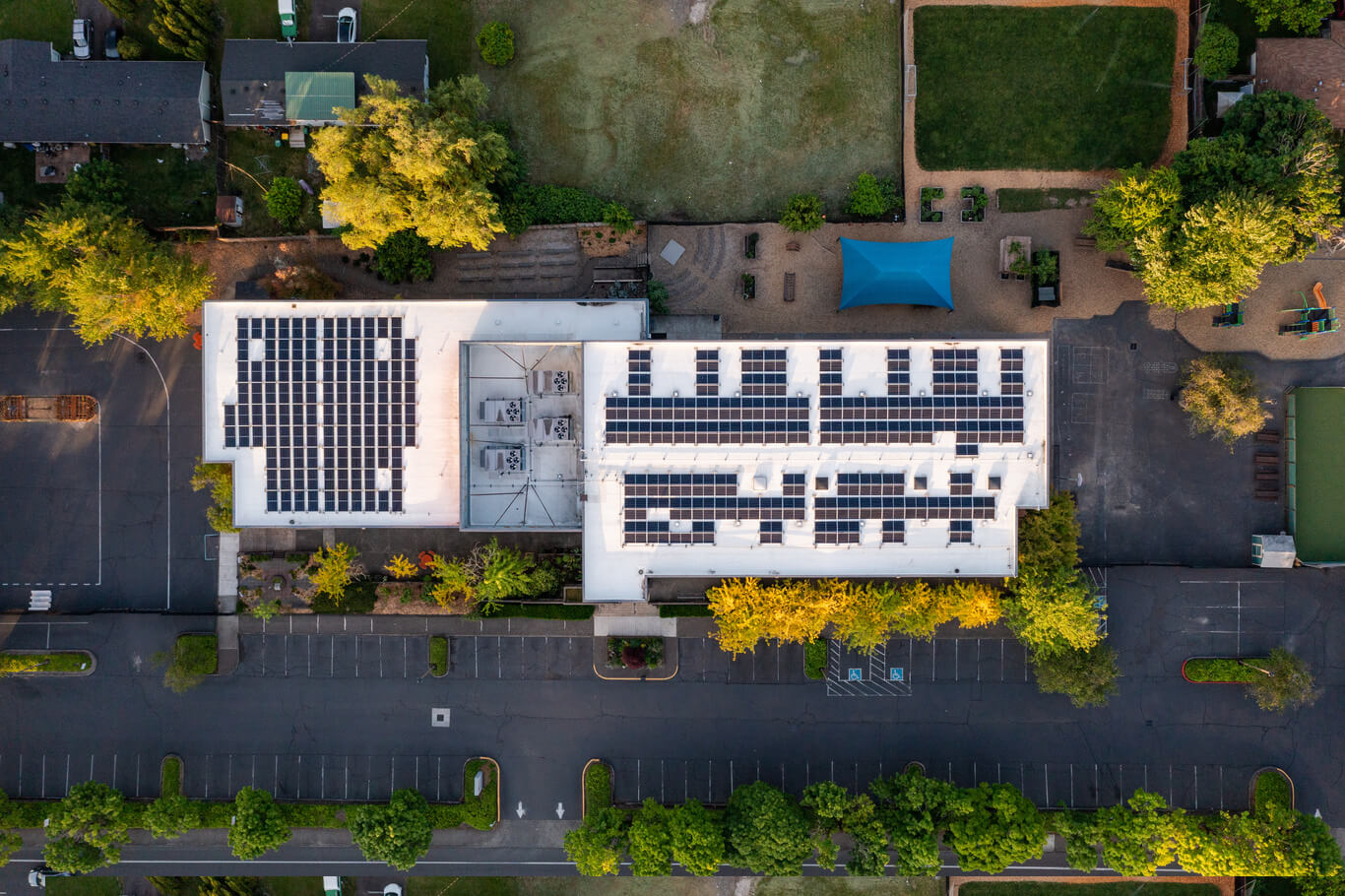
- Investment measures (technology upgrades and replacement): These require medium or substantial investment, but provide long-term, stable and significant efficiency gains (up to 80%). If selected correctly, these solutions always pay off, as they significantly reduce the company’s operating costs. For example, insulating buildings, replacing lighting with LED, installing solar panels, replacing old production equipment with more energy-efficient alternatives and modernising heating systems.
Most barriers are not technical, but rather related to information, organisation and people’s habits. Here is how to address them:
- Information barriers: There is a lack of knowledge about the solutions available and their potential. Solution – targeted education for management and employees. For example, seminars, practical examples and clear calculations of the benefits help support informed decision-making.
- Organisational barriers: There are no clearly defined objectives or responsible persons and cooperation between organisational units is lacking. Solution – incorporating energy efficiency objectives into the company’s strategy, appointing a responsible person (energy manager) and ensuring regular communication across all levels.
- Behaviour and lack of awareness: Employees are not motivated to change their habits, and management does not regard energy efficiency as a priority. Solution – engaging and motivating employees (for example, bonuses for the best suggestions), management leading by example and clear communication about the importance of the objectives.
Long-term research carried out by the Elektrum Energy Centre confirms that companies which actively engage and educate their employees achieve energy efficiency objectives much faster.
First steps in energy efficiency
The first energy efficiency improvements do not require immediate and substantial investment – tangible results can be achieved through simple, practical steps that optimise operating costs.





When the first steps are no longer enough – energy audit or energy management?
If changing everyday habits and adjusting processes can reduce energy consumption by 10-25 %, then achieving resource savings of up to 80 % through targeted investment in technologies requires a systematic approach that begins with choosing between energy audit or energy management system implementation.
- Energy audit – a one-off review of the company’s energy systems. Professional specialists assess the current level of energy efficiency at the company’s site, accurately identify where resources are being used inefficiently and develop economically viable engineering solutions to improve the situation.
- Energy management – continuous monitoring and development. If energy consumption results in significant costs, it is advisable to implement an energy management system based on the international standard ISO 50001. Unlike a one-off audit, this solution ensures continuous consumption monitoring and ongoing process improvement. It provides complete operational flexibility – the system can be introduced gradually and adapted to the company’s priorities and budget, while combining technical improvements with employee training and modern management methods.

Technology and infrastructure solutions
Targeted investments in technology and infrastructure are the next step towards maximum efficiency. If selected correctly, these solutions pay for themselves within a relatively short period, reducing operating costs and GHG emissions while also strengthening the company’s competitiveness in the market.
- Technology modernisation the installation of energy-efficient LED lighting, process automation and improvements to HVAC (heating, ventilation and cooling) systems optimise energy consumption and reduce maintenance costs.
- Improving the energy efficiency of buildings – building insulation, the replacement of windows and doors, as well as the implementation of smart building management systems (BMS), effectively prevent heat loss and improve the indoor climate.
- Renewable energy and electric transport – the installation of solar panels, the integration of energy storage systems and the electrification of the company fleet provide greater energy independence while also significantly reducing costs and emissions.