
What affects heat consumption in the home?
Heat is one of the largest consumers of energy in the home, especially during the heating season, and some of it escapes through windows, doors and walls. However, with the right solutions – such as thermal insulation, heating system adjustment and smart daily habits – it is possible to retain heat, reduce bills and make the home more pleasant and comfortable throughout the season.
Main sources of heat consumption:
- Heating devices – radiators, boilers and heat pumps – their efficiency and proper operation directly affect consumption.
- Heat losses through the building structure – windows, doors, walls, ceilings and floors – insufficient insulation or gaps increase consumption.
- Ventilation and air exchange – improper airing or insufficiently sealed openings can be a significant source of losses.
- Daily habits – room temperature settings, opening doors and windows and prolonged use of heating.
All these factors together determine how much heat is consumed in the home. Therefore, it is important to understand where the main losses occur in order to reduce consumption and heating costs effectively.

Where is heat lost in the home?
Heat losses can occur in almost any part of the home, and even small gaps or imperfections in the structure can significantly increase energy consumption. By identifying these areas, updates can be planned effectively to improve comfort and reduce consumption.
- Loft and roof – if insulation is insufficient, up to 25% of heat can be lost through the upper part of the building. Icicles or condensation may indicate the need for improvements.
- Windows and doors – even small gaps allow cold air to enter the room.
- Walls and floors – in insufficiently insulated structures, heat escapes unnoticed, creating a feeling of cold in the corners.
- Chimneys and ventilation openings – improperly sealed or adjusted flues and ventilation openings create draughts and increase heating consumption.
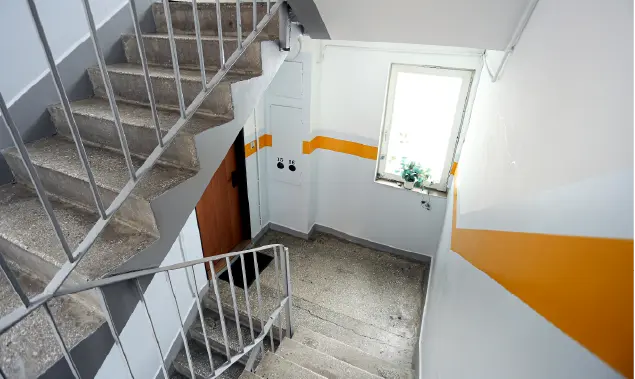
- Shared areas in apartment buildings – open stairwell doors or windows, as well as basements and lofts, if they are not sealed, allow heat to escape.
Losses can often be identified visually by condensation, icicles or cold surfaces. By placing your hand near windows or doors, you may feel cold or a draught, which indicates where the losses are occurring.
Energy-efficient use of heating
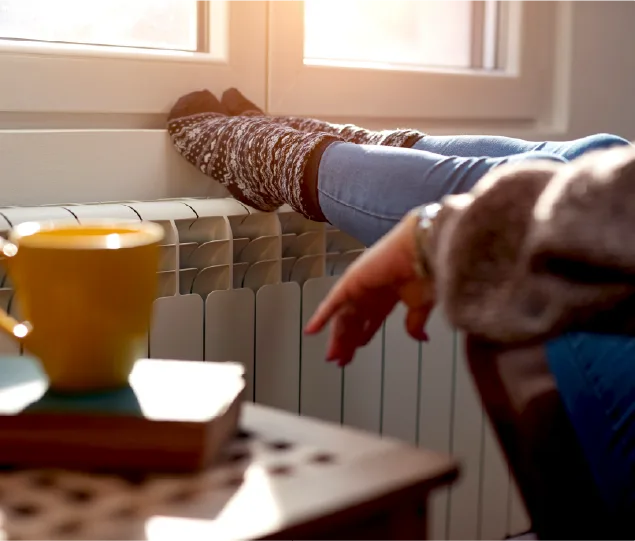
Even small changes in temperature control can significantly reduce energy consumption – by lowering the room temperature by 1 °C, it is possible to save up to 5%. To achieve this without constant involvement, thermostats, timer modes and smart solutions are useful, as they automatically maintain a consistent temperature and optimise energy consumption. This is more energy-efficient than frequently switching heating and heaters off and on, thus causing greater heat losses and increasing the load on the heating system.
It is important that heat circulates freely in the room. Heating appliances work more efficiently if they are not blocked by furniture or curtains and are not covered with a layer of dust, so that they do not lose heat output. With heat unblocked, the room warms up more quickly, and the heating does not have to work as hard.
For additional energy savings, heat only the necessary rooms and make sure that the heating system is properly adjusted (the heating system has been balanced), so that heat is distributed evenly throughout all rooms.
Regular heating system maintenance – bleeding radiators and servicing heating boilers and heat pumps ensures even heat, reduces energy consumption and extends the service life of the system.
If there is a fireplace or stove, it is important to remember that, during periods when it is not in use, an open flue is like an open window, creating draughts and increasing heat losses. Closing the damper helps retain heat in the living area and reduce the heating load.
How can heating in the home be organised efficiently?
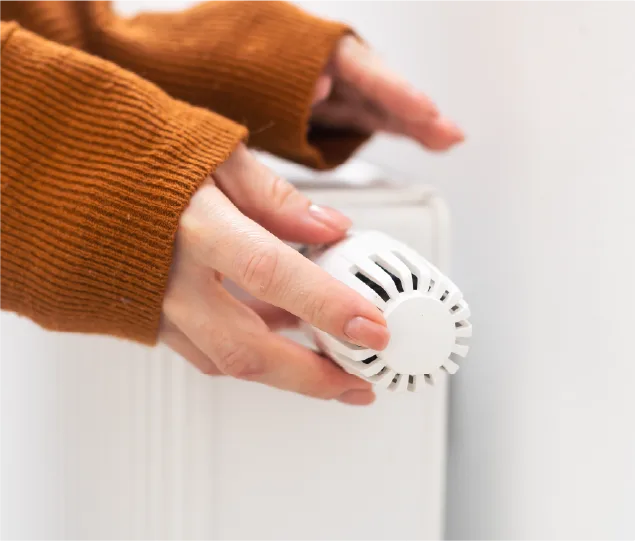
The optimum temperature varies from room to room, but at night or during prolonged absence it can be reduced by a few degrees, though not below +16 °C.




Windows and doors
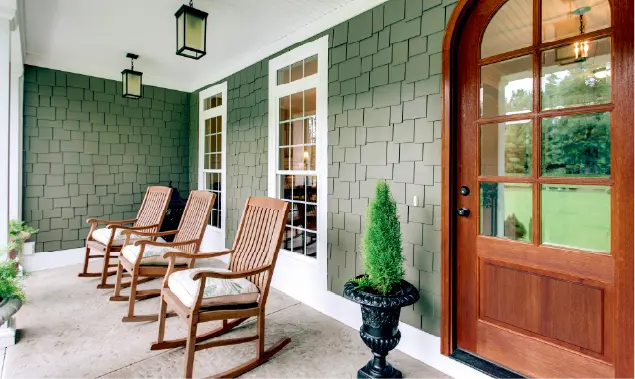
Windows and doors is often one of the main areas of heat loss – even small gaps or worn seals allow cold air to enter the room, increasing heating consumption. To check airtightness, you can use the paper test – by placing a sheet of paper between the window and the frame. If the sheet can be pulled out easily, the seal is not sufficient. You can also use the hand test – if you feel cold or a draught, when placing your hand near the window or door, then adjustment is needed. If heat losses are observed through gaps in windows or doors, there are solutions that can be implemented immediately. In most cases, it is sufficient to replace worn seals or adjust PVC window fittings to winter mode. Sometimes heat escapes through the bottom of the door – in such cases, an additional door seal is an effective solution. These solutions do not require major investment, but provide a noticeable effect instead.
To retain additional heat, make use of solar heat during the day by leaving the curtains open, but close them in the evenings. Rugs on cold floors and closed doors in rooms without heating help maintain a more even temperature and greater comfort.
Ventilation
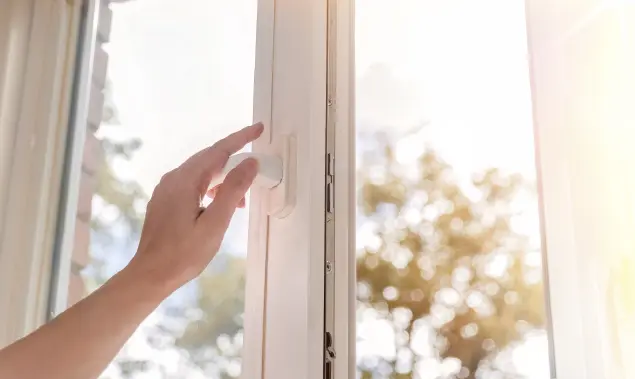
Ventilation is important both for health and for the longevity of the building. In winter, air the rooms briefly but intensively – a few minutes with the window fully open provides fresh air without allowing the rooms and surfaces to cool down. Before airing, temporarily reduce the heating temperature, then restore the previous setting afterwards to reduce energy consumption.
It is also worth considering a heat recovery ventilation system, which provides fresh air without losing heat, while reducing heating costs and improving indoor air quality. Combined with properly sealed windows and doors, regularly cleaned radiators and an optimised heating system, this helps maintain comfort and reduce energy losses throughout the home.
In common areas of apartment buildings
Heat losses in apartment buildings are significantly affected by common areas. Open stairwell doors or windows create draughts, and warm air from the flats escapes outside. The same applies to basements and attics – open windows mean that the building loses heat, and the heating system has to work harder.
To retain additional heat, door closers and thresholds can be used, as well as insulating film for older windows. In winter, make sure that the common areas are closed off and that entrance door closers are working properly. If you notice any damage, report it to the building manager – this will help reduce heat losses throughout the building. These small improvements help reduce heat losses, maintain an even temperature in the rooms and preserve comfort and energy efficiency.
What should be changed in heat usage habits?
Try these simple tips to help keep heat in the home.