
Regular monitoring and analysis of the main energy efficiency indicators identifies opportunities for energy savings in the building and leads to informed decisions about its renovation or technological improvement.
Why Does Home Energy Efficiency Matter?
Home energy efficiency is one of the most important factors in ensuring a sustainable living environment. It reflects how efficiently a building uses energy for heating, ventilation, cooling, lighting and household needs, while maintaining comfortable living conditions. An energy-efficient home consumes less energy, resulting in lower operating costs and reducing the negative impact on the environment.
The importance of energy efficiency has increased significantly in recent years due to rising energy prices, climate change and the climate targets set by the European Union. The building sector consumes a large part of total energy, so implementing energy-efficient solutions in homes reduces greenhouse gas emissions and promotes sustainable development.
In addition to the economic benefits, energy efficiency significantly improves quality of life. A properly insulated and ventilated home ensures an even temperature, better air quality and a lower risk of damp or mould. It has a positive effect on housemates health and comfort.
What Affects Home Energy Efficiency?
Main Principles of Home Energy Efficiency
This is one of the most important indicators, showing how much energy a building consumes per square metre per year.
This indicator describes the amount of energy required for space heating. Lower consumption indicates more effective thermal insulation and a more efficient heating system.
It shows the amount of carbon dioxide emissions generated by the building, which is directly related to the energy consumed and the way it is produced.
This is a class specified in the energy certificate (usually a scale from A to G) to clearly compare the efficiency of different buildings.
This indicator includes not only the energy consumed directly in the building, but also the losses incurred during energy generation and supply.
This includes temperature, air humidity levels and ventilation quality directly affecting housemates’ well-being and quality of life.
Indicates what proportion of the total energy used comes from renewable resources, for example solar panels or heat pumps.
Insulation and Building Envelope
The building’s external walls, roof, floors, windows and doors form the building envelope or “shell”. Their main purpose is to retain heat in winter, protect rooms from overheating in summer and ensure a comfortable indoor climate. If these structures are of insufficient quality or have been damaged, there is a significant increase in heat loss and, consequently, heating costs.
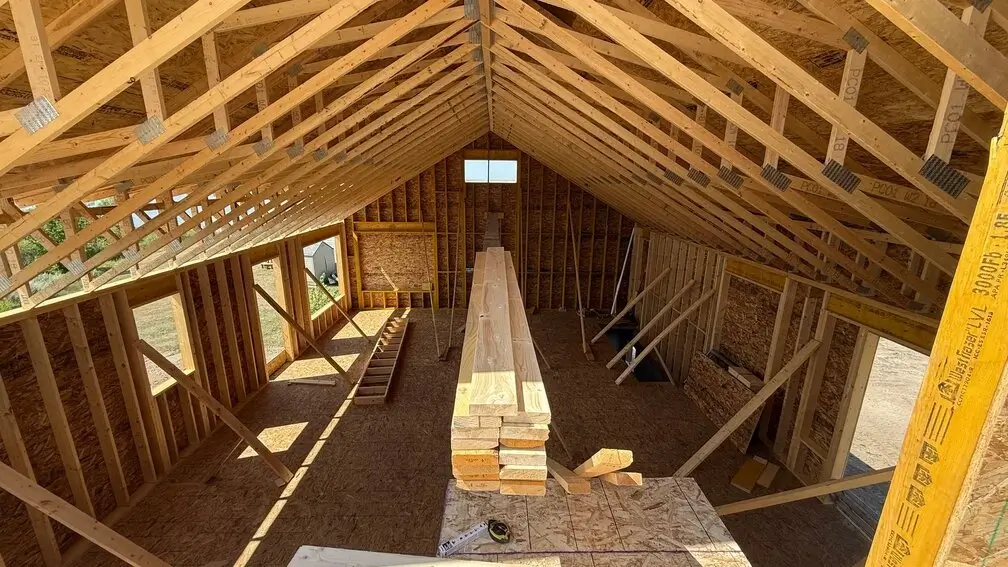
Heat loss most often occurs through parts of the building that are in direct contact with the outdoor environment or unheated spaces.
These are usually the following areas:
- Roof
- External walls
- Windows and doors
- Floors (located above an unheated basement or on the ground)
- Chimneys and ventilation openings
- Poorly constructed joints (for example, between a window and a wall)
Cold bridges (or thermal bridges) are areas in building structures where heat escapes significantly faster than through the surrounding surfaces. They not only reduce the effectiveness of thermal insulation and create cold surfaces in the home, but also result in condensation followed by mould growth.
Airtightness and Moisture Control
For insulation to work effectively, both the building’s airtightness and proper moisture control are important. Ventilation must ensure controlled air exchange, while the structures must prevent uncontrolled air leakage (draughts).
Well-insulated and airtight structures significantly reduce heat loss, but on their own they do not guarantee a healthy indoor environment. The more airtight a building becomes, the more important it is to ensure controlled air exchange. Therefore, in an energy-efficient home, insulation, airtightness and ventilation must always be considered as a whole.
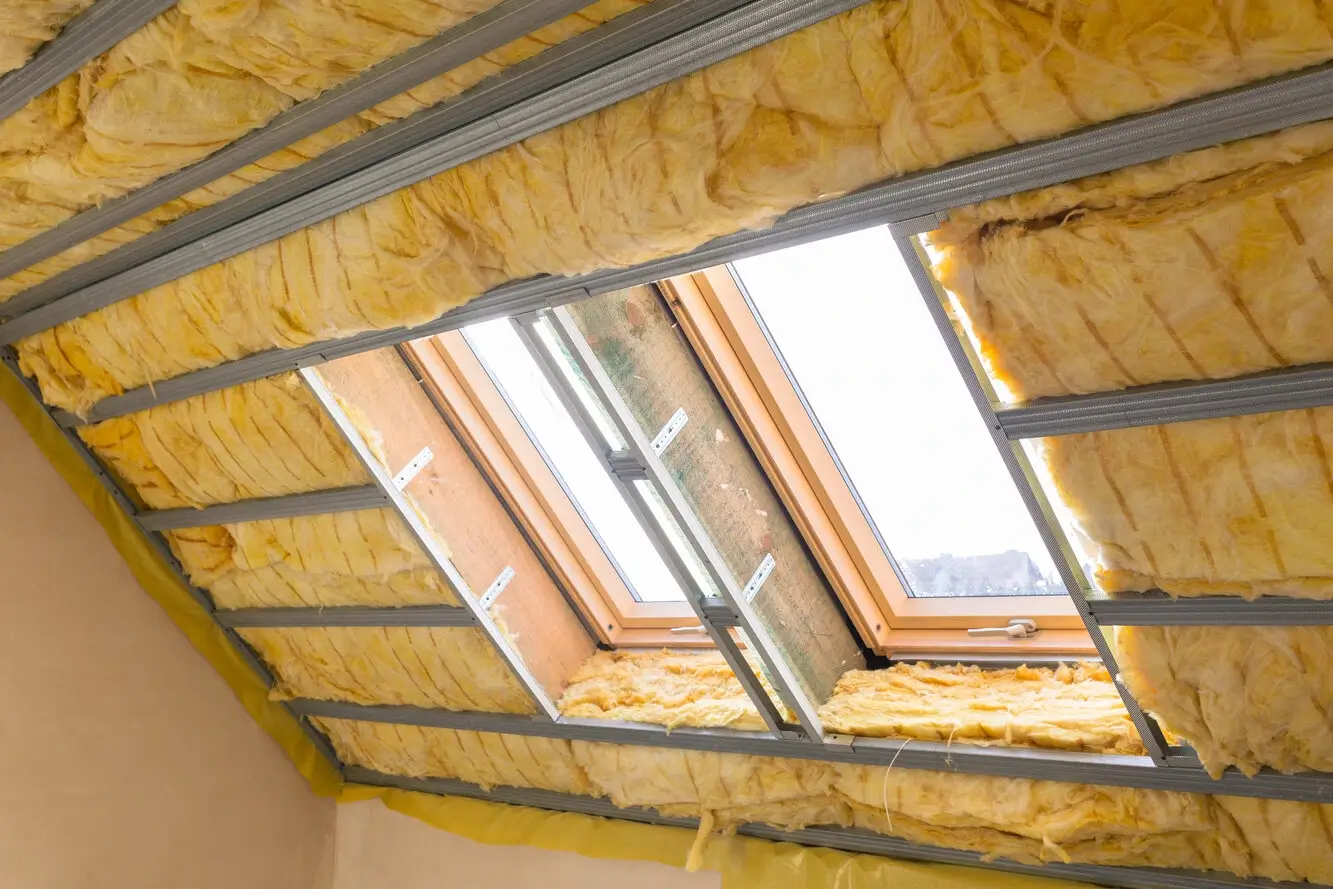
If warm and humid indoor air enters the building structures and cools there, condensation forms. This can reduce the effectiveness of insulation, result in mould growth and, over time, cause serious structural damage.
Regular airing of rooms, an effective ventilation system and properly constructed structures with appropriate air and vapour barriers reduce the risk of condensation.
The building’s airtightness can be accurately checked with a “Blower Door” test. During the test, a pressure difference is created in the building using a special fan, which allows areas to be identified where air enters or escapes uncontrollably through the structures. The test identifies areas of heat loss, assesses construction quality and finds ways to reduce energy consumption.
Signs that may indicate airtightness problems:
- Noticeable draughts indoors
- Uneven temperatures in different parts of the home
- Increased heating costs
- Cold surfaces near walls, windows or doors
- Condensation forming on windows
- The appearance of mould
Ventilation
Ventilation ensures a supply of fresh air and removes excess moisture, carbon dioxide (CO₂) and other pollutants from rooms. As modern buildings are much more airtight than before, high-quality ventilation plays a particularly important role.
A properly installed ventilation system helps prevent the formation of condensation and mould growth, extends the service life of the building structure, and creates a healthy indoor climate. It can improve housemates’ well-being, concentration and productivity, especially in rooms where they stay longer.
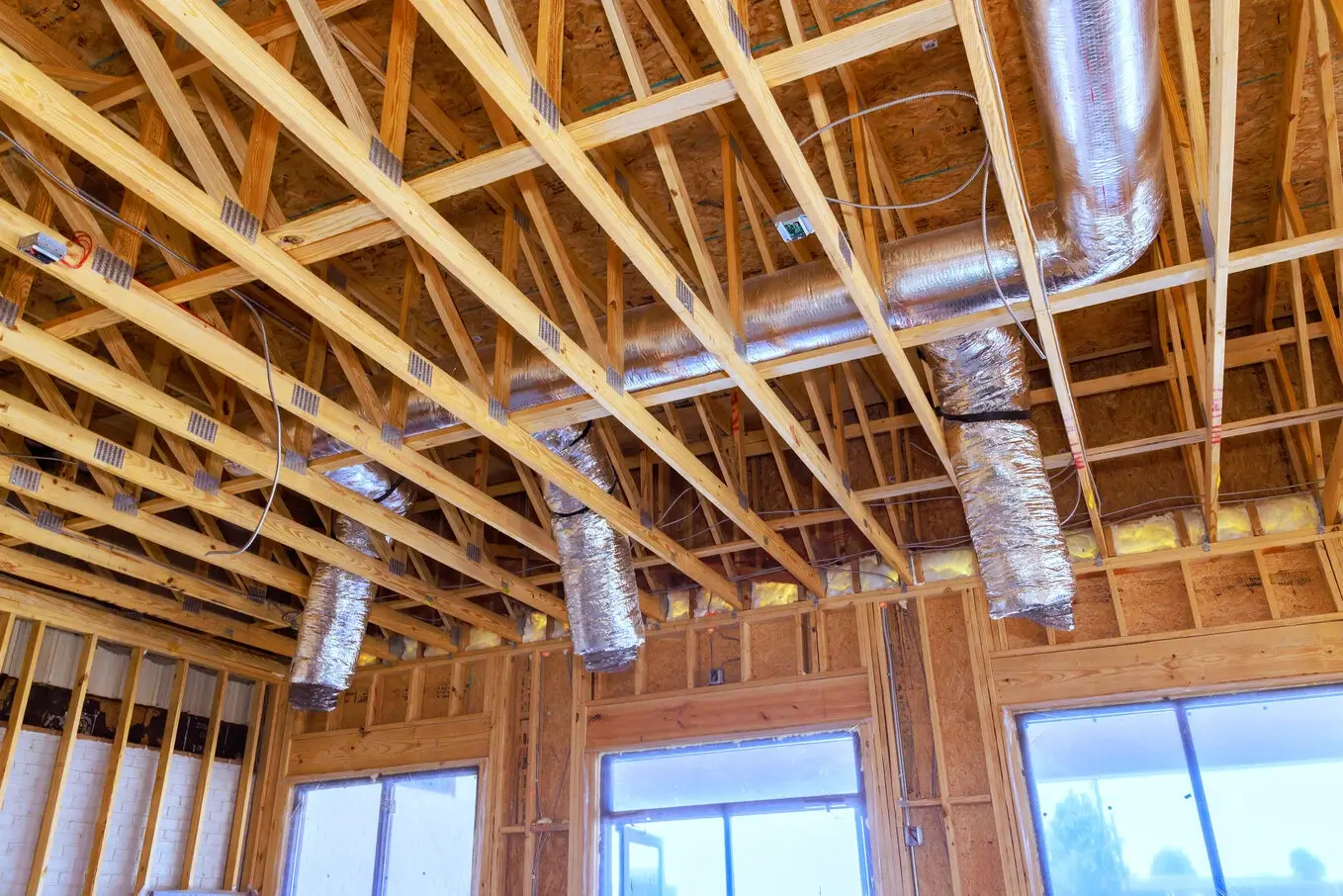
Ventilation systems can operate in different ways, and each solution has its own advantages and limitations. The choice depends on the type of building, its airtightness, the housemates’ habits and comfort requirements.
- Natural Ventilation. Air exchange takes place naturally through ventilation ducts and pressure differences. The system does not consume electricity, while its efficiency varies and depends on weather conditions.
- Mechanical Ventilation. Air exchange is ensured by a ventilation unit that controls the supply of fresh air and the extraction of waste air. It ensures stable air quality regardless of external conditions.
- Ventilation with Heat Recovery. Mechanical ventilation with heat recovery. The system uses the energy of the outgoing (warm) air to heat the incoming (cold) air. This allows heat loss and heating costs to be significantly reduced while maintaining excellent air quality.
A good and healthy indoor environment is characterised by three main indicators that should ideally be maintained on a daily basis:
- Temperature from 18 °C to 22 °C – ensures comfort and good sleep (it may be cooler in the bedroom).
- Relative humidity from 40 % to 60 % – prevents dry air (respiratory irritation) and the mould growth.
- CO₂ concentration < 1000 ppm – fresh air prevents fatigue and headaches.
Recommendations for Maintaining Good Air Quality
Good air quality can be ensured by combining proper daily habits with suitable technical solutions.
- Ventilate the rooms regularly (at least 2 to 3 times a day by opening the window fully for a few minutes).
- Do not cover ventilation grilles, ducts or air supply openings.
- After cooking or using the shower, ensure additional ventilation.
- Keep the ventilation system clean and replace the filters regularly.
- The installation of a mechanical ventilation or heat recovery system shall be considered if elevated humidity or stuffy air persists in the rooms for a longer period.
The following symptoms and signs may indicate insufficient ventilation or an unhealthy microclimate in the home:
- Condensation on windows
- Mould
- Stuffy air
- Lingering odours
- Fatigue or drowsiness (especially in rooms where housemates stay longer)
Quality of Windows and Doors
Windows and doors are an essential part of the building "envelope", directly affecting heat loss, sound insulation, security and comfort. Heat loss most often occurs at poorly sealed areas around windows and doors – even small gaps can cause significant energy losses. One should remember the most expensive and highest-quality windows will not deliver the desired result without professional installation and regular maintenance. Comparison of window frame materials:
- PVC (plastic) windows – the most affordable, practical and very easy to maintain.
- Timber-frame windows – made from a natural material, they provide a cosy appearance and excellent thermal insulation properties.
- Aluminium windows – extremely durable and stable, making them ideal for large glazed structures and modern architecture.
When choosing windows, it is important to assess not only the frame material itself, but also the energy efficiency indicators of the insulated glazing unit and the quality of installation.

To choose truly energy-efficient windows, it is important to pay attention to the following parameters before purchasing them:
- Thermal insulation performance (the lower the heat transfer coefficient U, the better)
- Air permeability class (indicates the window’s airtightness)
- Sound insulation properties (especially if the home is located close to a street)
- Security and burglar resistance class
- The quality of installation materials and workmanship
- The quality and durability of the seals
Window Orientation According to Cardinal Directions
The placement of windows in the house is also of strategic importance. Properly oriented windows (for example, facing south) help to make the most of free solar heat in winter. To reduce the risk of rooms overheating in summer, it is recommended that these windows be fitted with external shading solutions, for example blinds or solar control films.
Even the highest-quality windows and doors can lose their airtightness over time. To determine whether heat is escaping through your windows and doors, see the section “How to reduce heat consumption”, which describes simple ways to identify areas of heat loss in the home.
It is recommended that the following actions be carried out at least once a year:
- Check the condition and elasticity of the seals.
- Lubricate hinges and other moving parts.
- Assess the overall condition of the windows and doors (for any cracks or deformation).
- Adjust the fittings if necessary.
- Regular maintenance and the timely replacement of worn elements preserve the energy efficiency of windows and doors in the long term, improve comfort and maintain an optimal indoor climate.
Energy-Efficient Lighting
Lighting is one of the most essential components of a modern home, helping to reduce electricity consumption, operating costs and environmental impact. Therefore, choosing the right solution directly affects both bills and quality of life, as modern technologies allow high-quality lighting to be achieved with significantly lower energy consumption.
Properly planned lighting improves visibility and comfort, reduces electricity consumption and helps adapt the environment to different activities.
Daily electricity consumption can be reduced by installing LED lighting and introducing smart lighting control. The use of several light sources in a room is effective as well, allowing to adapt light to a specific function and time of day, as well as making maximum use of natural light – properly positioned windows, light-coloured walls and reflective materials help to use daylight more efficiently.
Lighting control systems play an important role. Motion sensors, timers and dimmers allow unnecessary electricity consumption to be reduced by ensuring that lighting operates only when needed. Meanwhile, smart home technologies make it possible to control lighting remotely and optimise its operation according to users’ habits.
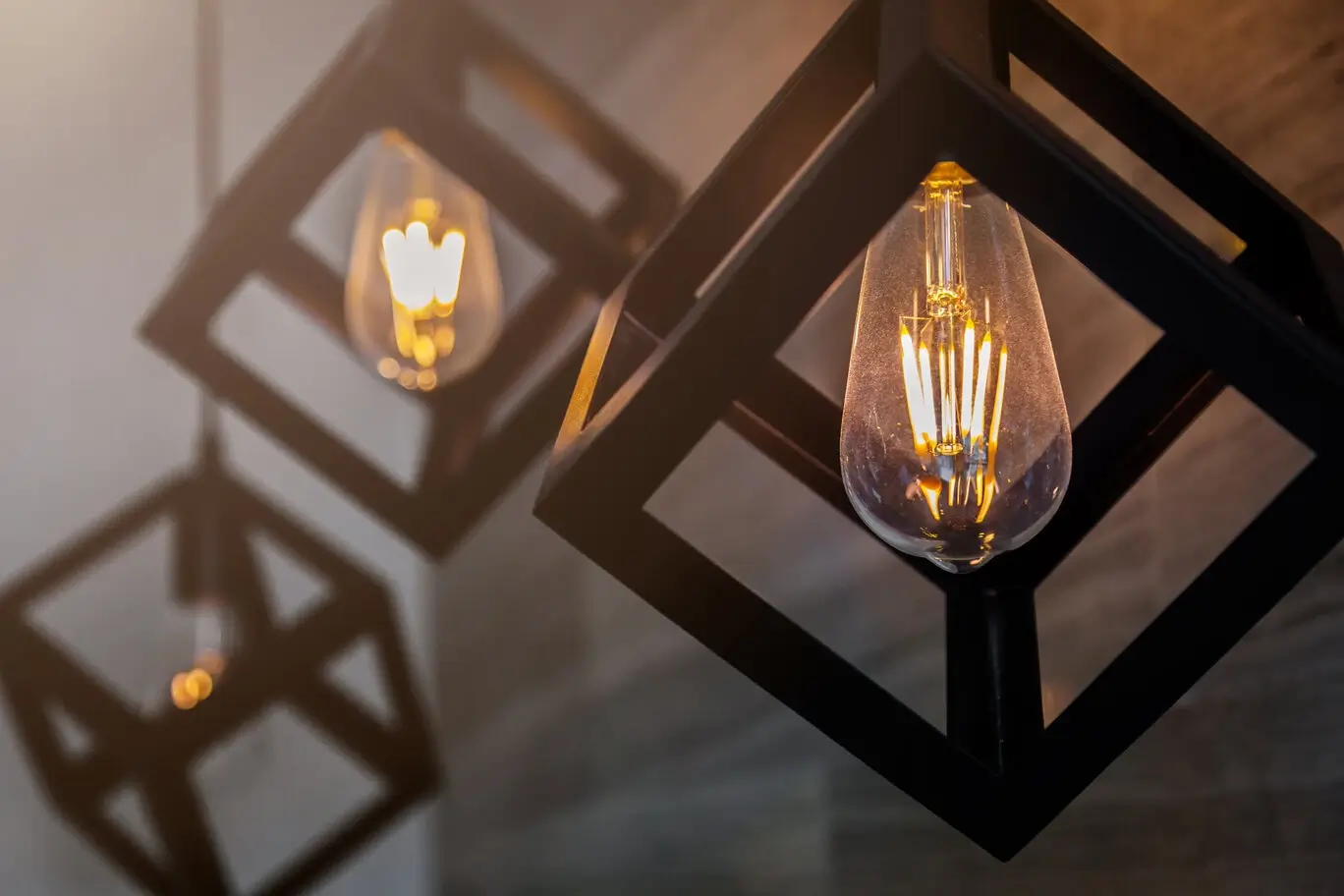
When choosing a light bulb, it is important to understand its parameters – not only its wattage, but also the quality of light.
Main parameters:
- Energy efficiency class. A – the most efficient, G – the least efficient. Indicates consumption and longevity.
- Luminous flux (lumens, lm). The more lumens, the brighter the light. Replaces the old "watts = brightness" way of thinking.
- Power (W). Indicates consumption, not brightness. Should be assessed together with lumens.
- Colour temperature (Kelvin, K). Warm, cosy light from 2700 K to 3000 K; neutral white light from 3200 K to 4000 K; cool, concentration-enhancing light from 4000+ K.
- Colour rendering (Ra). The closer to 100, the more natural the colours appear.
How can You Manage Your Home More Intelligently with Smart Solutions?
Smart devices and home automation are a modern way to improve comfort and security, and to manage energy consumption, thereby reducing everyday costs. The main benefit is efficient resource management, provided by various solutions.
- Smart climate control – smart thermostats, as well as temperature, humidity and CO₂ sensors, allow heating and ventilation to be regulated according to the housemates’ presence or the time of day, preventing unnecessary energy consumption.
- Smart lighting – automatically switches off lights in empty rooms or adjusts their intensity according to natural light.
- Energy monitoring – smart sockets and energy monitoring systems track electricity consumption in real time, identify inefficient devices and optimise their use by analysing data in mobile apps.
In addition to saving energy, smart solutions also significantly enhance the sense of security and comfort. Security sensors, smart alarm systems, smoke detectors and remotely controlled door locks improve home security. Automated scenarios, meanwhile, make everyday life more convenient, for example by automatically switching on the heating before your arrival home or adjusting blinds according to the intensity of sunlight.

Smart devices are suitable if individual, simple improvements are needed in an existing home. A building management system (BMS), meanwhile, is a unified, comprehensive solution that is usually planned for new builds or large-scale renovation projects.
- Smart devices – easy to install and take the first step towards modernisation of your home.
- Building management system – ensures centralised control of all systems and broader integration options.
Which Solution should You Choose?
- If the goal is to gradually improve home comfort and reduce energy consumption with small investments, the smart devices will be more suitable choice.
- If unified and efficient management of the entire building with a high level of automation is required, the building management system will the right choice.
Smart devices are separate, autonomous technological solutions easy to install and use on a daily basis. Usually controlled via mobile apps or voice assistants, they are ideally suited to the gradual modernisation of your home.
- Lighting – smart bulbs
- Climate control – smart thermostats
- Power supply – smart sockets
- Security – security cameras and sensors
- Household appliances – smart refrigerators, washing machines, etc.
Advantages: Relatively low initial costs and very simple installation. Efficient control of specific functions (for example, lighting or heating), resulting in reduced energy consumption.
Disadvantage: As the devices from different manufacturers often operate on different platforms, their integration and centralised control may be limited or complex.
A Building Management System is a centralised platform that combines several technical systems of a home or building within a single network. It provides the coordinated control of heating, ventilation, lighting, security systems, electricity consumption and other functions.
- Centralised control – all systems managed from a single point.
- High level of automation – availability of automated scenarios (for example, "leaving home" and "returning home").
- Efficient management – detailed data analysis leads to optimised resource consumption and costs reduction.
- Extensive possibilities – unlimited possibilities for enhancement and customisation in the future.
Such systems are particularly suitable for larger private houses, apartment buildings or commercial properties with complex infrastructure management required. Implementing the BMS usually requires a higher initial investment, as well as professional planning and installation, therefore it is most often integrated at the construction stage.
Building Energy Certificate
A building energy certificate accurately shows actual energy consumption and helps identify the areas of the highest heat losses. It is the first and most important step if you are planning to buy, sell or renovate your home.