
How to use energy wisely?

With a few simple choices, you can maintain comfort while simultaneously reducing consumption and bills.

A woman is sitting at a table and carefully looking at a laptop screen.

What makes up your home’s energy consumption?

Your home’s energy consumption is determined by several factors, and understanding how to use them efficiently can help you to plan your consumption more wisely and reduce bills. Most often, the majority of energy is consumed by:

  • Heating and cooling – consume energy for heating or cooling rooms and for preparing hot water.
  • Electrical devices – consume energy to operate household devices such as a refrigerator, washing machine, television and computer.
  • Water – the use of hot and cold water for daily needs, such as showering, bathing and householding, affects both water and heat consumption.

Technical solutions of your home – such as windows, doors and insulation – also play a crucial role, as they affect how much energy is needed to maintain a comfortable indoor temperature.
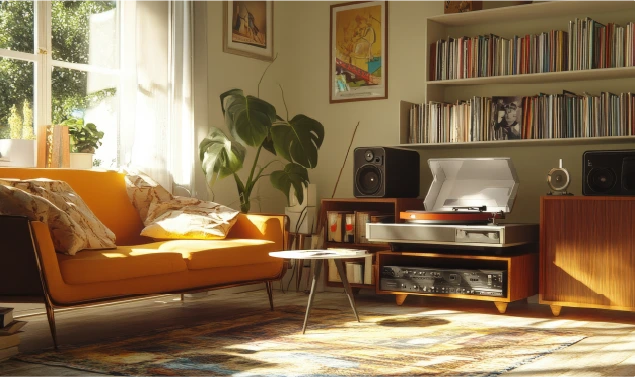
A modern apartment in a retro style with a sofa and a large record player; warm sunlight streams into the room through the window.

How to reduce energy consumption?

Each type of energy affects your daily comfort and bills. Select a resource and find out how to use it more wisely.
7 steps to reduce energy consumption

Discover simple steps that allow you to maintain home comfort, reduce bills and use energy more efficiently.

An icon of a smartphone displaying a consumption chart on its screen.

Analyse your consumption

Find out where in your home is the highest energy consumption.

An icon of a desk with a computer on it and an unplugged power socket.

Switch off devices, when not needed

Even in standby mode, they consume energy.

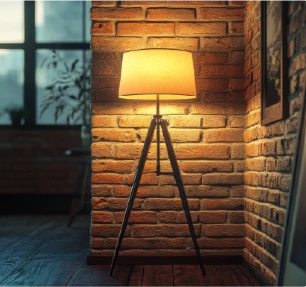
An icon of an armchair and a floor lamp.

Modify your daily habits

Even small changes in your daily routine can reduce energy consumption by up to 10%.

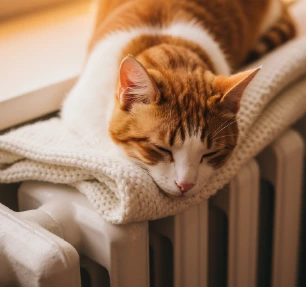
An icon of a radiator.

Adjust heat wisely

Set a comfortable temperature and lower it when not needed.

An icon of a sink with a dripping faucet.

Use water thoughtfully

Fit your water taps with aerators and choose showering over bathing.

An icon of a building frame.

Improve building’s efficiency

Better insulation helps to retain heat and reduce energy losses.

An icon of various electrical appliances with an energy rating scale.

Choose energy-efficient devices

They consume less electricity.

An icon of a smartphone displaying a consumption chart on its screen.

Analyse your consumption

Find out where in your home is the highest energy consumption.

An icon of a desk with a computer on it and an unplugged power socket.

Switch off devices, when not needed

Even in standby mode, they consume energy.

An icon of an armchair and a floor lamp.

Modify your daily habits

Even small changes in your daily routine can reduce energy consumption by up to 10%.

An icon of a radiator.

Adjust heat wisely

Set a comfortable temperature and lower it when not needed.

An icon of a sink with a dripping faucet.

Use water thoughtfully

Fit your water taps with aerators and choose showering over bathing.

An icon of a building frame.

Improve building’s efficiency

Better insulation helps to retain heat and reduce energy losses.

An icon of various electrical appliances with an energy rating scale.

Choose energy-efficient devices

They consume less electricity.